









Looking at your backyard? Imagine a Multi‑Unit Development flourishing right there. Turning one property into multiple homes isn’t just smart—it’s full of potential. In this guide, we share five clear signs your property might be the perfect candidate. We’ll walk through planning, building, budgeting, and working with the right team. By the end, you’ll understand how to start a residential development project.
1. Excellent Location and Council Zoning
Close to Amenities
Properties in areas with shops, schools, transport, parks or medical services attract buyers fast. That’s great for any development project. Short commutes? Tick!
Zoning Allows Multiple Dwellings
Council planning rules vary. If your property is zoned R40 or higher, you might build more than one unit. This step could offer massive investment opportunities.
Market Demand Exists
Do houses nearby come with a high price tag? Are “for sale” signs rare and snapped quickly? That’s a sign the market for multi unit housing is hot.
2. Development Potential Beyond a Single Home
Generous Site Size and Shape
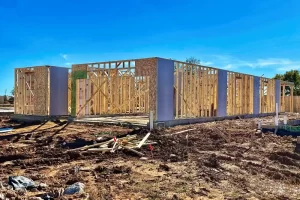
A 600–800 m² block or more is a great start. But shape matters too. Rectangular lots make it easier for architects or the design and construct team to maximise room count.
Street Access and Utility Services
Dual access from, say, a quiet street at the front and a laneway at the back? That could support multiple driveways or even a small apartment building footprint. Easy connection to water, power, sewer—yes please.
Scope for Multi‑Dwelling Configuration
Maybe four townhouses or a small apartment building? If conditions align, you can increase dwellings per block. This is at the heart of property development project success.
3. Financial Feasibility—Budget and Profit
Solid Investment Outlook
Development needs both short‑term and long‑term planning. You’ll have:
- Initial cost: land, demolition, design, council fees
- Construction costs: labour, materials, builder margins
- Professional services: engineers, town planners, surveyors
- Marketing and sales: real estate fees, advertising
Run a financial planning spreadsheet. Include costs and compare against projected sale or rental revenue. Use investment property calculators. Ensure a margin after unexpected costs.
Access to Finance and Builders
Does your bank support financial planning for multi‑unit property? Do you have pre‑approval or a builder lined up who’s experienced in multi‑unit developments? Lenders love to see an experienced team and a solid team.
Projects with Profit Margin
Aim for healthy returns. A development in Melbourne might yield 10–20% profit. But don’t rely on hope. Use real numbers.
4. A Solid Team and Proven Process
Developers, Builders, Agents and Consultants
You can’t fly solo. A winning team may include:
- Architect or design‑and‑construct firm
- Town planner and surveyor
- Structural engineer
- Builder with confirmed quotations
- Quantity surveyor (for cost transparency)
- Real estate agent or selling agent
Make sure they understand your vision. A developer or property owner needs clear terms, a schedule, and a development project plan. You need someone who can smooth council conditions.
Experience in Multi‑Unit Builds
Experience counts. Developers with track records in multi‑unit developments know how to handle council, the design process, construction, and project management. They’ll help you avoid pitfalls.
Quality Service and Communication
A good team offers professional consultation, updates, and documentation. For example, a project manager who emails weekly progress photos, or a builder who walks the site monthly. That builds trust.
5. Clear Requirements and Mild Constraints
Manageable Council Conditions
Council approval can hinge on conditions like building setbacks, heights, parking spaces, environmental protection or tree retention. If conditions are mild or can be resolved with professional input, you’re in good shape.
No Major Soil or Heritage Issues
Unexpected soil contamination, flood overlays or heritage listing can kill multi-unit development. A geotechnical report and heritage check early can identify development potential issues before you commit.
Compliance with Multi‑Unit Rules
For example, each unit may need 2–3 bedrooms, natural light, separate entrances, parking, private open space. A check with your designer or planner avoids bad surprises later.
Desire to Provide Housing Choice
If you care about boosting local housing supply—or just like solving problems—multi‑unit dwellings help pack more homes into growth suburbs. That’s a real benefit for local communities and buyers.
Multi‑Unit Development: The Step-by‑Step Process

Let’s quickly map what comes next:
- Feasibility & financial planning – crunch figures.
- Architectural & design – concept designs, floor plans.
- Town planning & council – lodgement, approvals.
- Construction documentation – detailed drawings.
- Construction – build stage, site inspections.
- Marketing – real estate agent engaged.
- Completion & settlement – handover of units.
Together, these steps make up the full process of building a multi‑unit development.