









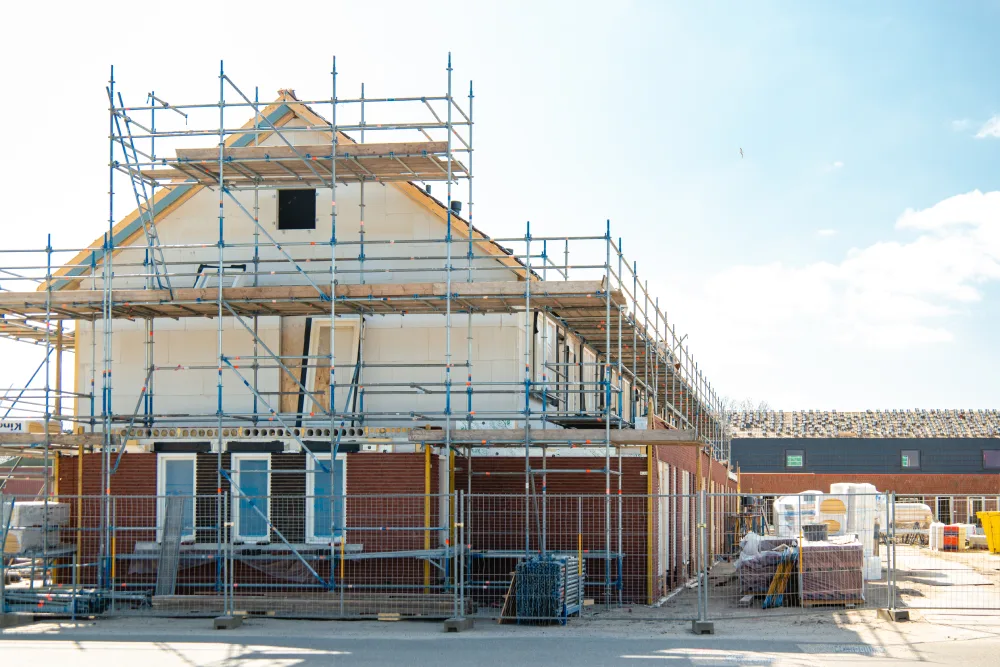
Building a multi-unit development can be an exciting investment, especially in Australia’s booming residential and commercial property markets. But if you’re new to the process, navigating the planning and council permit approvals can quickly become overwhelming. Many developers and builders face common mistakes that cause delays, increased costs, or even project cancellations.
In this blog, we’ll break down the most frequent planning and council permit pitfalls in multi-unit builds. We’ll also share practical advice and professional solutions to help you avoid these issues, ensuring your construction project runs smoothly from start to finish.
Understanding Multi-Unit Development Planning

Multi-unit developments involve constructing two or more dwellings on a single site. Whether you’re building small duplexes or larger apartment-style blocks, the planning process is more complex than residential house planning.
Why Is Planning So Important?
The planning stage sets the foundation for your entire project. It includes obtaining building permits, council approvals, and meeting detailed requirements such as energy efficiency and building regulations.
Failing to properly plan can lead to:
- Unexpected construction costs
- Delays in approval or construction
- Legal issues due to non-compliance
- Public objections and site disruptions
Common Pitfalls in Council Permit Approvals
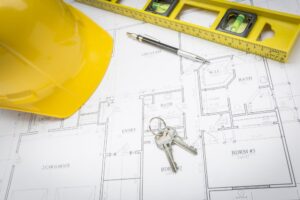
1. Incomplete or Incorrect Documentation
One of the biggest reasons councils delay or reject applications is incomplete paperwork. This includes missing details on building permits, site plans, or contracts.
2. Not Understanding Local Building Regulations
Every council in Australia has specific planning codes and zoning rules, especially for multi-unit developments. Overlooking these can mean your project fails to get approval.
3. Ignoring Energy Efficiency Standards
Energy-efficient construction is no longer optional. Australian building regulations require certain energy ratings, especially for new multi-unit builds.
4. Failing to Address Public Concerns
Neighbours and local residents often have a say in multi-unit projects. Ignoring public consultation can lead to objections that stall your approvals.
The Planning Process: Step-by-Step
- Pre-Application Research
Understand your site’s zoning, potential for land use, and council restrictions. This includes checking for heritage overlays or environmental protections.
2. Design and Construct Phase
Collaborate with architects and builders to design your project to meet council requirements, including energy-efficient features.
3. Submit Detailed Application
Provide all documentation, including building contracts, site plans, and energy compliance certificates.
4. Council Review & Approvals
Expect a detailed review. Be prepared to answer queries and make adjustments.
5. Construction & Site Management
Ensure your builders follow the approved plans closely and manage the site professionally to avoid penalties.
Tips for Avoiding Common Mistakes in Multi-Unit Builds
- Choose experienced builders: Their expertise in multi-unit developments helps navigate the complex building process and approvals.
- Ensure your budget accounts for council fees and unexpected costs.
- Keep communication open with your local council and public stakeholders.
- Understand the contract agreement thoroughly before signing.
- Regularly review the construction process to catch potential issues early.
Why Working with Professionals Makes a Difference
Construction projects require coordination between developers, builders, councils, and consultants. A professional builder not only provides construction services but also helps with project management, approvals, and avoiding costly mistakes.
They understand the latest building regulations and construction codes and offer solutions tailored to residential and commercial developments. This expertise ensures your project meets all legal and safety requirements, helping you build a sustainable and energy-efficient property.
Managing Construction Costs and Time Effectively
Construction costs for multi-unit projects can be significantly higher than single residential builds. Common causes of increased costs include delays from permit issues, design changes, and poor site management.
To keep your project within budget and on time:
- Plan thoroughly before construction begins.
- Obtain all approvals and permits in advance.
- Use a detailed building contract that outlines costs and timelines.
- Work with builders experienced in managing multi-unit construction sites.