









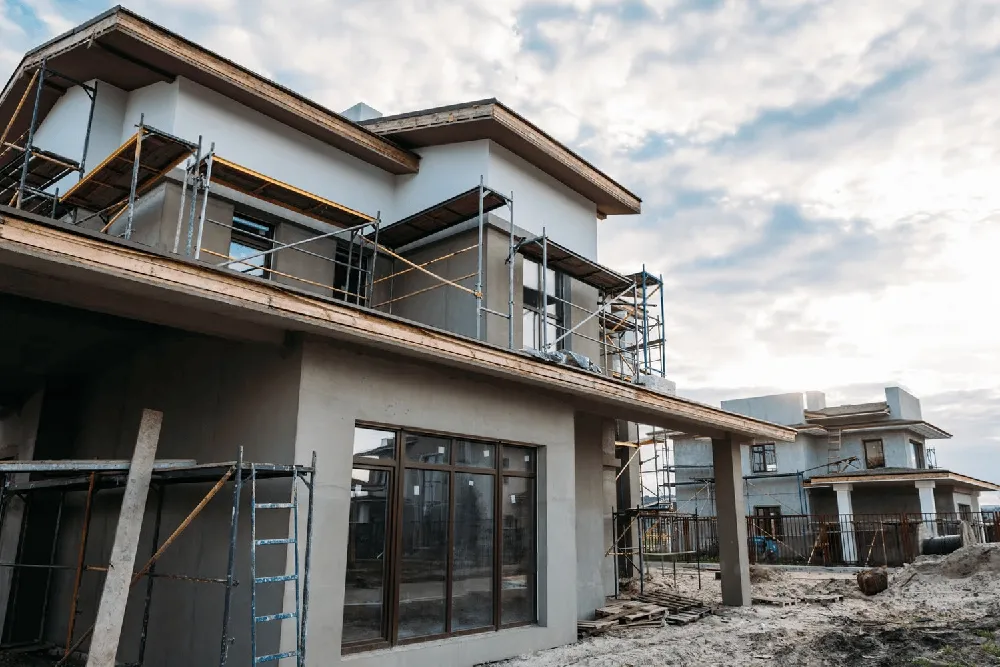
As more Australians look to buy or build homes, one key factor stands out: energy efficiency. Modern builds offer far better energy performance compared to many older homes. Whether you’re considering a new house in the suburbs or a residential property in the city, understanding why energy efficient homes lead the market is important.
This article explores the benefits of newly built homes, the role of sustainable materials, and what this means for the future of residential property and commercial buildings across Australia.
What Makes New Builds More Energy Efficient?
New homes and buildings are designed with the latest standards for energy and sustainability in mind. From the choice of building materials to advanced energy efficient design, every step in the construction process focuses on reducing energy use.
Older homes, on the other hand, were often built before modern regulations existed. They tend to lose heat in winter, gain heat in summer, and require more energy for heating and cooling. This inefficiency affects your power bills and comfort.
The Role of Sustainable Materials and Design
Using sustainable materials isn’t just a trend — it’s a practical choice that improves the energy efficiency of homes. New builds often incorporate:
- High-performance insulation
- Double-glazed windows
- Efficient heating and cooling systems
- Solar panels or other renewable energy sources
This careful design and construction reduces the home’s overall energy consumption and environmental footprint.
Impact on the Australian Property Market
The property market in Australia is evolving as buyers and builders place greater emphasis on efficiency and sustainability. According to the latest guild market update, energy efficient buildings are in higher demand.
Residential landlords also find that upgrading to efficient homes can reduce running costs and attract tenants looking for modern conveniences.
How Energy Efficiency Benefits Homeowners
Choosing an energy efficient home means:
- Lower electricity bills due to reduced energy use
- Greater comfort with consistent indoor temperatures
- Increased property value because modern builds meet rising market expectations
- Access to government incentives for sustainable building practices
These advantages make new builds more attractive to both homeowners and investors.
Comparing Energy Performance: New Builds vs Existing Homes
A recent report shows that newly built homes outperform existing homes in terms of energy efficiency by a significant margin. The differences come down to:
- Better building materials that improve insulation
- Advanced heating and cooling technologies
- Smarter architectural layouts that maximise natural light and ventilation
Older properties can be retrofitted for better efficiency, but the cost and complexity often make new builds the smarter long-term choice.
Tips for Buying or Building Energy Efficient Homes in Australia
If you’re buying a property or planning to build houses in Australia, keep these points in mind:
- Ask for energy performance ratings or certifications when evaluating property types.
- Work with builders who prioritise energy efficient design and sustainable materials.
- Use tools like the stamp duty calculator to understand the financial implications of your purchase.
- Consult the latest market update reports for both commercial and residential markets to make informed decisions.
- Consider the ongoing services you may need to maintain energy efficiency, such as HVAC servicing or solar panel upkeep.
Energy Efficiency in Commercial Buildings and Properties
Energy efficiency is not just for homes. The commercial property sector is also focusing on smarter design and construction to reduce costs and environmental impact.
From office buildings to retail spaces, energy efficient buildings help businesses cut expenses and comply with government regulations.
The Process of Building Energy Efficient Properties
Building an energy efficient home or property involves several key steps:
- Planning and design focused on energy efficiency.
- Choosing the right building materials and sustainable solutions.
- Monitoring energy performance throughout construction.
- Ensuring compliance with Australia’s standards for energy.
- Providing ongoing support and services to keep the building efficient over time.