









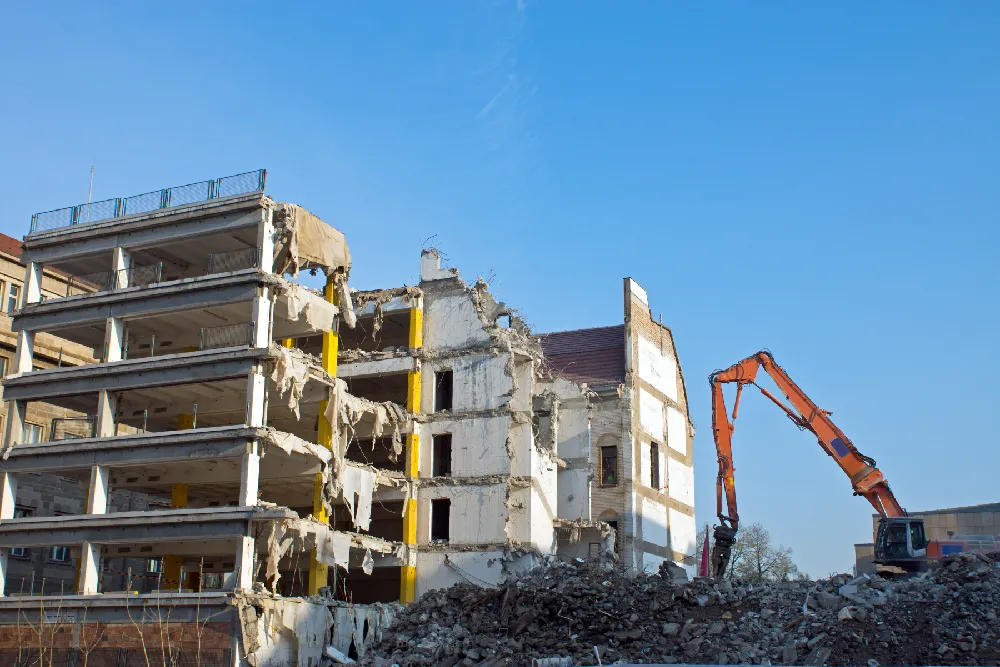
Demolition is more than just tearing down a structure—it’s a carefully planned and regulated process that requires the right people, tools, and approach. But not all demolitions are the same. One of the most important distinctions to understand is the difference between residential demolition and commercial demolition.
Whether you’re preparing a small home for renovation or clearing a commercial site for a major construction project, it’s essential to understand how each type of demolition works, what it involves, and why the differences matter. This blog is your complete guide.
What Is Residential Demolition?
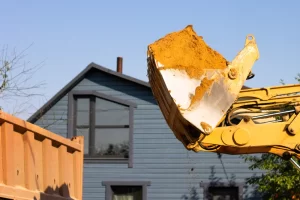
Residential demolition involves the removal or dismantling of private homes or small-scale dwellings. These projects usually deal with single or double-storey buildings, often made from timber, brick, or lightweight materials.
Typical residential demolition projects include:
- Knockdown-rebuilds
- Partial demolition for extensions or upgrades
They’re generally faster, use smaller equipment, and involve less complex planning than commercial jobs. But demolition safety, permit approvals, and correct waste disposal are still essential.
What Is Commercial Demolition?
Commercial demolition deals with the removal of larger, more complex structures such as office buildings, shopping centres, and industrial sites. These projects require more detailed preparation, heavier machinery, and strict adherence to Australian regulations.
Two common scenarios where commercial demolitions are needed:
- Replacing outdated commercial buildings
- Redeveloping land for larger-scale construction
Due to the nature of commercial properties, the risk is higher and the process more involved.
Key Differences Between Residential and Commercial Demolition
Let’s look at how residential and commercial demolition differ in real-world applications.
1. Size and Complexity
Residential demolitions are usually simpler, involving fewer floors and straightforward structures. In contrast, commercial demolition involves larger-scale jobs with more complex support systems, requiring advanced planning and engineering oversight.
2. Equipment and Machinery
Residential demolition may be done using mini-excavators or manual tools for tight spaces. On the other hand, commercial demolition uses heavy-duty machinery like high-reach excavators, cranes, and concrete crushers due to the size and materials of the buildings involved.
3. Regulations and Compliance
Both types must comply with local council rules and demolition safety codes. But commercial demolitions are often subject to more in-depth checks and require extensive documentation, especially when dealing with public spaces or industrial demolition.
4. Safety Protocols
With larger teams and more powerful equipment, commercial demolitions carry greater risk. These projects often involve scaffolded protection, fall prevention, and emergency plans, while residential demolition focuses on simpler safety setups such as fencing and utility shut-off.
5. Time and Cost
Generally, residential projects are quicker and more affordable. A basic house teardown can be done in a few days. In contrast, a commercial demolition project may take weeks or months and cost significantly more due to its size and additional safety requirements.
Understanding the Role of a Demolition Contractor
A qualified demolition contractor is crucial for both residential and commercial demolitions. They handle permits, safety plans, equipment, and ensure everything runs on time and according to the law.
When choosing a contractor, always ensure they:
- Are licensed, insured, and experienced in your type of demolition
- Provide detailed quotes and timelines
Hiring the wrong provider can lead to project delays, fines, or even unsafe outcomes.
Waste Handling: What Happens After Demolition?
Once a building is removed, the site must be cleaned and cleared of all leftover materials. This step is essential to prepare the area for future construction and to ensure environmental compliance.
In residential demolition, common waste includes:
- Timber framing and roof tiles
In commercial demolition, there’s typically:
- Steel beams, reinforced concrete, and larger debris loads
Waste must be sorted, recycled where possible, and disposed of at licensed facilities. Failing to manage this correctly can delay final approvals.
Industrial Demolition: A Specialised Field
Though often grouped with commercial demolition, industrial demolition is in a class of its own. These projects involve large-scale structures like factories, power plants, and chemical processing sites.
They require:
- Specialised safety planning for hazardous materials
- High-level expertise in environmental and structural engineering
Due to their scale and risk, demolition industrial projects are handled only by highly experienced contractors with appropriate licensing and equipment.
Planning and Site Considerations
Regardless of whether you’re dealing with a residential or commercial building, proper planning is non-negotiable. Every successful demolition process begins with a thorough understanding of the structure, surrounding environment, and regulations.
Pre-demolition planning should include:
- Utility disconnections
- Neighbourhood impact assessments
These steps ensure a safe and efficient start to the project, with minimal disruption to others.
Do All Projects Require Permits?
Yes. Whether you’re knocking down a home or an office block, you’ll need approval from your local council. Most building demolitions require a building permit, which confirms the structure is safe to remove and that the project meets environmental and zoning regulations.
Your chosen demolition contractor will usually manage this process, saving you time and avoiding delays.