










If you’re a property owner or investor wanting to build multiple homes on one site, knowing the multi-unit development process is key. From the first idea to handing over finished units, the journey can seem complex—but it doesn’t have to be.
This blog breaks down the property development project into clear, manageable steps. Whether you’re in Melbourne, Sydney, or elsewhere in Australia, this guide will help you through the planning, design, and construction process.
Why Choose Multi-Unit Development?
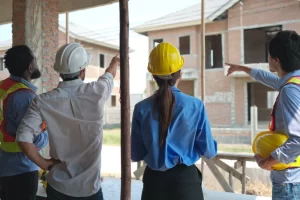
Multi-unit developments let you make the most of your block of land by building multiple homes instead of one. This means more homes, better returns, and helping meet Australia’s housing needs.
To succeed, you need a solid business plan, a skilled team, and a good understanding of each stage.
Step 1: Assess Your Development Site and Plan the Proposal
Start by checking your block of land’s potential. You need to consider if the zoning is right for a multi-unit development, and whether any council restrictions or overlays apply. These factors will shape your overall plan and budget.
Step 2: Design and Planning Development
At this stage, you work closely with architects and designers to create floor plans and designs that suit council guidelines and market demands. Once your design is ready, you submit it as part of your development application for council approval.
Good design and thorough planning help smooth the approval process, which can otherwise be time-consuming.
Step 3: Obtain Approvals and Permits
The approval stage involves submitting a formal development application to the local council, along with any necessary supporting documents. You’ll also need building permits from local authorities.
Your project managers and professional team will handle communication with the council and ensure all compliance requirements are met to avoid delays.
Step 4: Finalise Your Construction Budget and Build Team
After securing approvals, it’s time to lock in your budget and select the right team. This includes choosing multi-unit builders experienced in residential projects and preparing a comprehensive budget that accounts for all costs and contingencies.
Clear contracts and effective communication with your builder and project manager are essential to keep the project on track.
Step 5: Construction Process Explained — Building Your Multi-Unit Development
Construction begins with site preparation, which may involve demolition if you’re doing a knockdown rebuild. Foundations are laid next, followed by framing, roofing, and internal finishes.
Your project managers will oversee the entire construction process, ensuring quality standards are met, timelines are followed, and any challenges are managed promptly.
Step 6: Marketing and Selling or Renting the Units
As your development nears completion, it’s time to market your units. Engaging local real estate agents familiar with multi-unit developments is important to attract buyers or tenants.
Highlight the key benefits such as location, design quality, and the lifestyle your development offers to maximise interest and secure the best prices or rental yields.
Step 7: Project Completion and Handover
Once construction is finished, inspections and final certifications are organised. Any defects or issues are addressed promptly, and the project is handed over, ready for occupancy.
This final stage wraps up your multi-unit development project, allowing you to enjoy your investment’s rewards.
Essential Tips to Ensure a Successful Multi-Unit Development Project
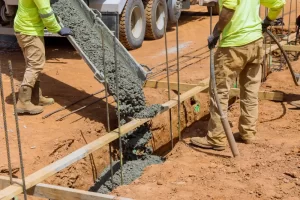
For the best results, work with experienced property developers and builders who understand local rules and regulations. Planning your budget carefully and including contingencies will help prevent costly surprises. Also, clear communication throughout the project—from planning to construction—is vital for success.