










When it comes to managing a large-scale building project, especially one tied to your business or investment, choosing the right commercial builders is a decision that carries weight. Whether you’re expanding an office space, starting a retail fit-out, or developing a full-scale industrial facility, experienced commercial builders offer the specialised expertise required to bring your vision to life.
In Australia, the construction industry is tightly regulated, and the standards for commercial projects are high. That’s why hiring the right team can help you avoid costly mistakes, ensure compliance with regulations, and deliver a finished result that matches your expectations in both quality and performance.
What Are Commercial Builders?
Commercial builders are licensed professionals who specialise in constructing and renovating commercial buildings such as office towers, retail spaces, medical centres, and warehouses. Unlike residential builders, they work within larger-scale environments and deal with more complex compliance regulations, safety codes, and multi-layered design elements.
Their role goes beyond simply constructing a building. A good commercial builder will manage the full process—from the design phase and development approvals to construction, inspection, and final handover. They often lead a team of subcontractors, engineers, architects, and consultants, bringing every part of the building process together in a coordinated and cost-effective way.
Why It’s Crucial to Choose the Right Builder
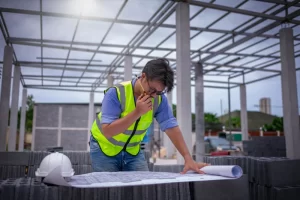
Hiring the wrong builder can lead to budget overruns, extended delays, or even legal issues. On the other hand, selecting a professional builder with a proven track record in commercial work ensures your property is built to high standards, complies with all regulations, and meets your business goals.
An experienced builder understands the financial investment involved in a commercial property and can help you get the best return. They’ll provide guidance throughout the process—from understanding council requirements and securing permits to overseeing construction teams on-site. They also bring insights into sustainable design, interior fit-outs, and long-term durability, which are all essential in commercial construction.
What to Look For in a Commercial Builder
Before you sign any contract, it’s essential to do your homework. The builder you choose should be licensed, insured, and have proven experience in commercial projects similar to yours. In regions like NSW, construction projects must be handled by a licensed contractor who understands the legal and safety requirements under the local building codes.
Look into their background. Have they worked on commercial buildings of similar scale and purpose? Ask to see their portfolio. Completed commercial projects provide insight into their quality standards, attention to detail, and the types of finishes they typically deliver.
Just as important is the builder’s communication style and management approach. You’ll want someone who’s transparent about pricing, clear about timelines, and responsive to questions. Their ability to coordinate teams and manage site logistics often determines how smoothly the project runs. A builder with strong project management skills and clear communication practices can be the difference between a high-quality commercial build and a stressful construction experience.
Understanding the Construction Process
The construction process for a commercial property involves several key stages. It typically begins with planning and design, where the concept is mapped out with input from architects, engineers, and design consultants. In many cases, builders offer design and construct services, streamlining the collaboration between the design team and the building team.
Once designs are finalised, the next step is obtaining the necessary permits and approvals. Every local council in Australia has specific requirements, and working with a builder who knows your area’s zoning, environmental, and planning laws will help ensure compliance from the start.
Site preparation follows. Depending on the project, this could involve demolishing existing structures, levelling the land, or establishing underground utilities. Only once the site is ready does the main construction work begin, involving everything from laying foundations to roofing, internal fit-outs, and final finishes.
Throughout the build, regular inspections and quality control checks are necessary to ensure each phase meets national building standards. Before handover, a final site inspection is conducted to ensure the building is ready for occupancy. A good builder will walk you through this stage, explaining any ongoing maintenance requirements or warranties associated with the build.
Residential vs. Commercial Construction
The biggest difference between residential and commercial construction lies in scale and complexity. While residential builders focus on homes and townhouses, commercial builders tackle larger, more complicated structures that must meet higher compliance standards and serve multiple users or industries.
Commercial construction also involves more stakeholders. For example, a shopping centre development might involve investors, architects, developers, local councils, and tenant representatives—all of whom need updates and deliverables throughout the process.
Timelines and budgets in commercial work tend to be tighter and require more robust planning and oversight. Whereas house construction may take months, a commercial project could span a year or more, depending on its size and scope. Builders with experience in the commercial space are better equipped to handle these extended, multifaceted builds.
The Importance of a Strong Contract
Before construction begins, you’ll need to enter into a formal building contract. This legal agreement outlines the scope of work, timeline, budget, payment terms, and dispute resolution processes. A clearly defined contract protects both you and the builder and sets expectations from the outset.
It’s vital to read every clause and ask questions where needed. Make sure the contract includes completion timelines, penalties for delays, and detailed information about the builder’s responsibilities. Builders with strong reputations will never hesitate to explain contract terms and provide clarity.
How to Avoid Common Mistakes
There are several missteps that can derail a commercial project. One of the most common is failing to check the builder’s credentials. Make sure they’re not only licensed but also experienced in the specific type of commercial work you require.
Another issue is choosing a builder based on price alone. While staying within budget is important, extremely low quotes may indicate shortcuts or hidden costs down the track. A quality build should focus on long-term durability and compliance—not just the cheapest materials or the fastest turnaround.
Always get everything in writing. From project variations to progress payments, verbal agreements leave room for confusion. A professional builder will document every decision and ensure transparency throughout the project.
Choosing the Right Team for Your Building Project

In commercial construction, success is rarely achieved by a single individual. It’s the result of a well-coordinated team of experts—builders, engineers, designers, contractors, and consultants—working together toward a common goal.
Choose a company with in-house project management services and a strong network of tradespeople. Look for signs of a collaborative culture. Builders who work closely with interior designers, architects, and compliance consultants will likely deliver a smoother, more cohesive result.
If you’re undertaking a specialised project—such as building a warehouse with custom storage features or a luxury office with high-end finishes—ensure your team has the specialised expertise needed for your design. The right team won’t just follow your plans; they’ll enhance them with valuable industry insights.
Working with Local Builders
Local knowledge is a huge advantage in commercial construction. Builders in Sydney, for example, are well-versed in the requirements of NSW construction law, council planning policies, and the dynamics of the Sydney property market.
Whether you’re working in the CBD, outer suburbs, or a regional area, engaging a builder with local experience ensures better access to trades, faster approvals, and more accurate budgeting. A builder who understands the local building industry will be better positioned to recommend cost-saving alternatives and adapt to local challenges.