










Demolition may sound like simply knocking down a building, but there’s a lot more to it. Whether you’re clearing land for a new home, removing an unsafe structure, or redeveloping a commercial site, working with demolition contractors is essential for a safe and successful outcome.
In this step-by-step guide, we’ll walk you through everything you need to know about the demolition process—from initial planning to final inspection. We’ll also offer expert advice and highlight key regulations to follow here in Australia.
What Is Demolition and Why Is It Required?
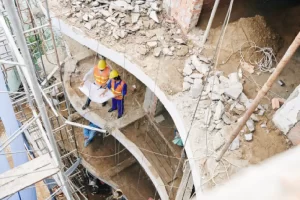
Demolition is the removal of a building or structure, either partially or entirely. It’s usually required when a building is:
- Structurally unsound
- No longer serving its purpose
- Blocking new construction
- Damaged beyond repair
A demolition project can vary greatly in scale—from small residential demolitions to large commercial demolition projects. Understanding the right approach is key to ensuring the structure is safely and efficiently taken down.
Step 1: Planning the Demolition
Every successful demolition starts with careful planning.
Before any physical work begins, you’ll need to define the scope of the project. Are you removing just one part of a structure, or the entire building? Do you need full demolition services, including asbestos removal, or will you handle some aspects yourself?
You’ll also need to:
- Choose a demolition contractor experienced and qualified for your type of demolition work
- Ensure you have all the building permits and approvals from your local council
- Check for hazardous materials like asbestos
- Create a timeline and safety plan
Getting expert advice early can help you avoid costly mistakes and ensure all relevant regulations are followed.
Step 2: Site Assessment and Preparation
Before any machines roll in, your demolition contractor will inspect the site.
They’ll look at:
- Structural stability
- Utility disconnections (gas, electricity, water)
- Environmental risks
- Access for heavy machinery
Preparing the site also includes securing fencing and signage to keep the area safe. Trees, fences, or small structures that are not part of the demolition may be protected.
Step 3: Securing Building Permits and Approvals
You can’t just start knocking things down.
In Australia, you must get a building permit before beginning demolition works. This ensures that the demolition procedure meets all local laws and safety and compliance standards.
Some permits are straightforward. Others, especially for commercial demolitions, may require extensive documentation.
A reputable demolition service provider will help handle this paperwork, giving you peace of mind.
Step 4: Choosing the Right Demolition Method
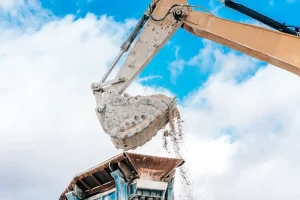
There are several ways to demolish a building, and your contractor will choose based on your specific needs.
Manual Demolition
Used mainly in residential settings or where heavy machinery access is limited. Workers take down structures by hand.
Mechanical Demolition
Involves heavy machinery like excavators, bulldozers, and wrecking balls. This is faster and used for larger projects.
Controlled Demolition
Involves carefully planned explosives—used in very specific commercial demolition settings.
Each method has its own risks and equipment requirements. Your team will determine what’s most appropriate.
Step 5: Performing the Demolition Work
This is where the real demolition work begins.
Your demolition contractor and their team will bring in heavy machinery or manual tools and begin dismantling the structure. Key aspects include:
- Keeping dust and debris controlled
- Ensuring safety zones are maintained
- Constant supervision of machinery
- Adjustments based on real-time conditions
Professional demolition providers will ensure the work is done efficiently and safely.
Step 6: Removal of Debris and Site Cleanup
Once the demolition is completed, the site must be cleaned.
This includes:
- Sorting materials (e.g. brick, concrete, timber)
- Recycling where possible
- Safe disposal of waste
- Clearing the land for the next phase of construction
A complete demolition service will include this as part of the project, so you’re not left with a mess.
Step 7: Final Inspection and Certification
Once the demolition process is complete and the site is cleared, a final inspection is carried out.
Your local council or private certifier will ensure the demolition works were done correctly, and all debris was safely removed.
You’ll receive documentation stating the job was done according to all relevant regulations—a crucial step before new construction can begin.
How to Choose the Right Demolition Contractor
When you’re ready to start, choosing the right demolition contractor is one of the most essential decisions you’ll make.
Look for someone who:
- Is fully licensed and insured
- Understands building regulations
- Has experience in similar demolition projects
- Offers detailed, upfront quotes
- Has positive customer reviews
The right company can make all the difference between a smooth project and a stressful one.
Residential vs. Commercial Demolition Services
While many steps overlap, residential demolition and commercial demolition have different scales, tools, and compliance needs.
Residential projects tend to be smaller, sometimes involving manual demolition and simple permits. Commercial jobs often require heavy machinery, complex logistics, and more layers of approval.
We’ll cover this in detail in our next blog, “Residential vs. Commercial Demolition: Key Differences Explained.”
Why Use Professional Demolition Services?
Hiring professional demolition providers ensures the job is:
- Safe
- Legal
- On schedule
- Done with the proper equipment
They handle everything from building permits to site cleanup, giving you peace of mind throughout the project.
Whether you’re a builder, property owner, or construction company, investing in quality demolition services is essential.
Need Help With Your Demolition Project?
If you’re starting a demolition project and need expert help, we’re here to assist.
We provide demolition services for both residential and commercial buildings. Our experienced team uses top-grade machinery, follows all regulations, and completes every project with safety and efficiency in mind.
Contact us today for a free quote or to get started with planning your demolition work.