









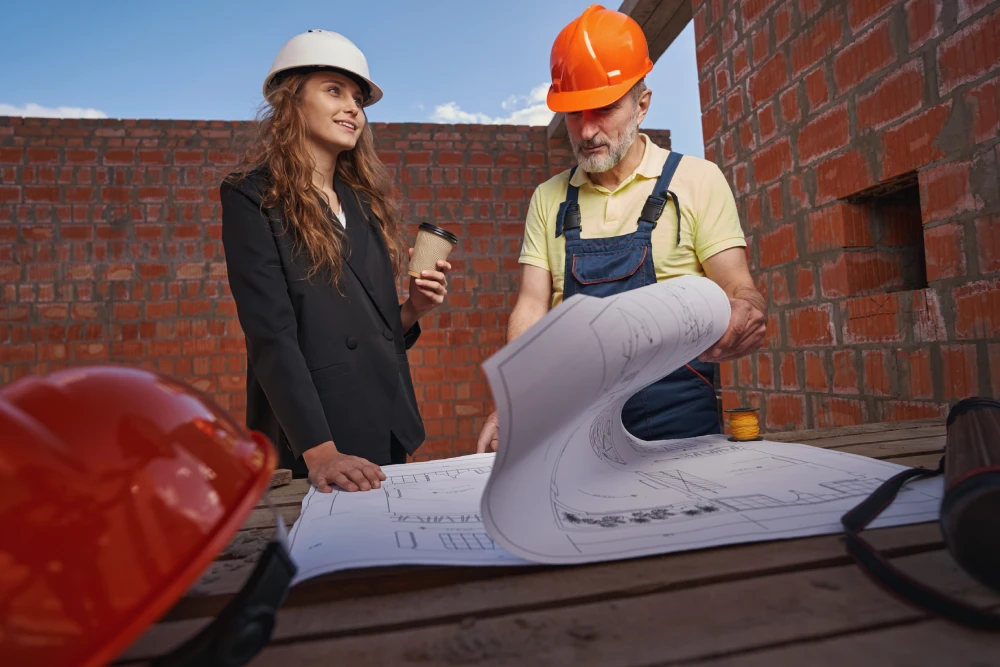
When it comes to large-scale developments and commercial property construction, understanding the role of a commercial builder is vital. Commercial construction projects involve many moving parts, and the builder plays a central role in making sure everything runs smoothly. But what exactly does a commercial builder do? And how do their responsibilities fit into the broader picture of commercial construction roles?
This guide will break down the key roles and responsibilities of commercial builders in Australia, explaining how they manage the construction process, coordinate with contractors, and ensure projects are completed on time, within budget, and up to the highest standards.
Who Is a Commercial Builder?
A commercial builder is a licensed professional responsible for overseeing construction projects involving commercial buildings such as offices, retail centres, warehouses, and industrial spaces. Unlike residential builders who focus on homes, commercial builders handle more complex projects that require specialised knowledge of safety regulations, compliance, and construction codes.
They work closely with architects, engineers, subcontractors, and clients to manage the entire building process. Their goal is to deliver a high-quality building that meets the client’s vision, adheres to legal requirements, and fits within the agreed budget and schedule.
The Commercial Construction Process: An Overview

Every commercial building project follows a structured process, and the commercial builder’s role is vital at each stage:
- Planning and Design: The builder collaborates with architects and engineers to understand project requirements and ensure designs are practical and compliant with local regulations.
- Permits and Approvals: Commercial builders help clients navigate the complex world of building permits and regulatory compliance in NSW or other Australian states.
- Site Preparation: This includes organising resources, scheduling subcontractors, and preparing the construction site to meet safety standards.
- Construction: Managing the workforce, overseeing the use of materials, and maintaining quality control are key tasks during the building phase.
- Inspections and Compliance: Builders ensure all works meet building codes, safety standards, and pass necessary inspections.
- Project Completion: The builder manages the final handover, ensuring the property is ready for occupation and all documentation is complete.
Key Roles and Responsibilities of a Commercial Builder
The term commercial construction roles covers a wide range of duties, but here are the core responsibilities you can expect a commercial builder to handle:
1. Project Management and Coordination
One of the most important roles of a commercial builder is managing the entire project. This means scheduling and coordinating subcontractors—such as electricians, plumbers, and civil engineers—to ensure work progresses efficiently. A commercial builder tracks timelines, controls costs, and oversees resources to avoid delays or budget overruns.
2. Communication with Stakeholders
Builders serve as the main point of contact between clients, contractors, suppliers, and regulatory bodies. Strong communication skills are essential to keep everyone informed and involved. This helps resolve issues early and prevents misunderstandings.
3. Compliance and Safety
Commercial builders ensure all construction work complies with Australian building codes, workplace safety regulations, and environmental standards. They manage risk by enforcing safety procedures on-site and maintaining documentation like certificates and permits.
4. Quality Control and Material Management
Ensuring high-quality construction involves selecting the right materials and verifying workmanship. Builders inspect the work regularly to maintain standards and avoid costly rework.
5. Financial Management
Managing budgets and costs is a crucial part of the builder’s role. They prepare cost estimates, monitor expenses, and advise clients on cost-effective solutions without compromising quality.
Understanding Commercial Construction Roles Within the Team
A commercial builder often acts as the general contractor or construction manager, but commercial construction involves many professionals working together:
- Architects and Designers: Provide the building plans and specifications.
- Engineers (Structural, Civil, Electrical): Ensure the building’s integrity and functionality.
- Subcontractors: Skilled workers who perform specialised tasks such as plumbing, electrical installation, and concreting.
- Project Managers: Oversee timelines, budgets, and workflows.
- Building Inspectors: Verify compliance with codes and regulations.
The commercial builder coordinates all these players, ensuring everyone’s work fits together as planned.
Why Experience Matters in Commercial Building
Commercial construction projects are complex and involve navigating regulatory frameworks unique to each Australian state or territory. Experienced commercial builders have deep knowledge of local council requirements, environmental policies, and industry best practices. Their expertise helps avoid common pitfalls such as delays caused by missing permits or non-compliant work.
A skilled commercial builder will have a strong network of reliable subcontractors and suppliers, which helps maintain project flow and meet deadlines.
Challenges Faced by Commercial Builders
Managing commercial projects is not without challenges. Builders must handle issues such as:
- Unexpected site conditions
- Material shortages or delivery delays
- Changes to client requirements
- Budget constraints
- Safety risks on-site
Effective problem-solving and proactive management are vital skills that successful commercial builders bring to every project.
How to Choose the Right Commercial Builder
When hiring a commercial builder, consider their experience with projects similar to yours. Check their licensing, certifications, and reputation in the NSW or Australian construction industry. Ask about their approach to project management, safety, and compliance.
A clear contract outlining the scope, timelines, costs, and responsibilities is essential. Transparency and strong communication throughout the project will help ensure your commercial building is completed to your satisfaction.